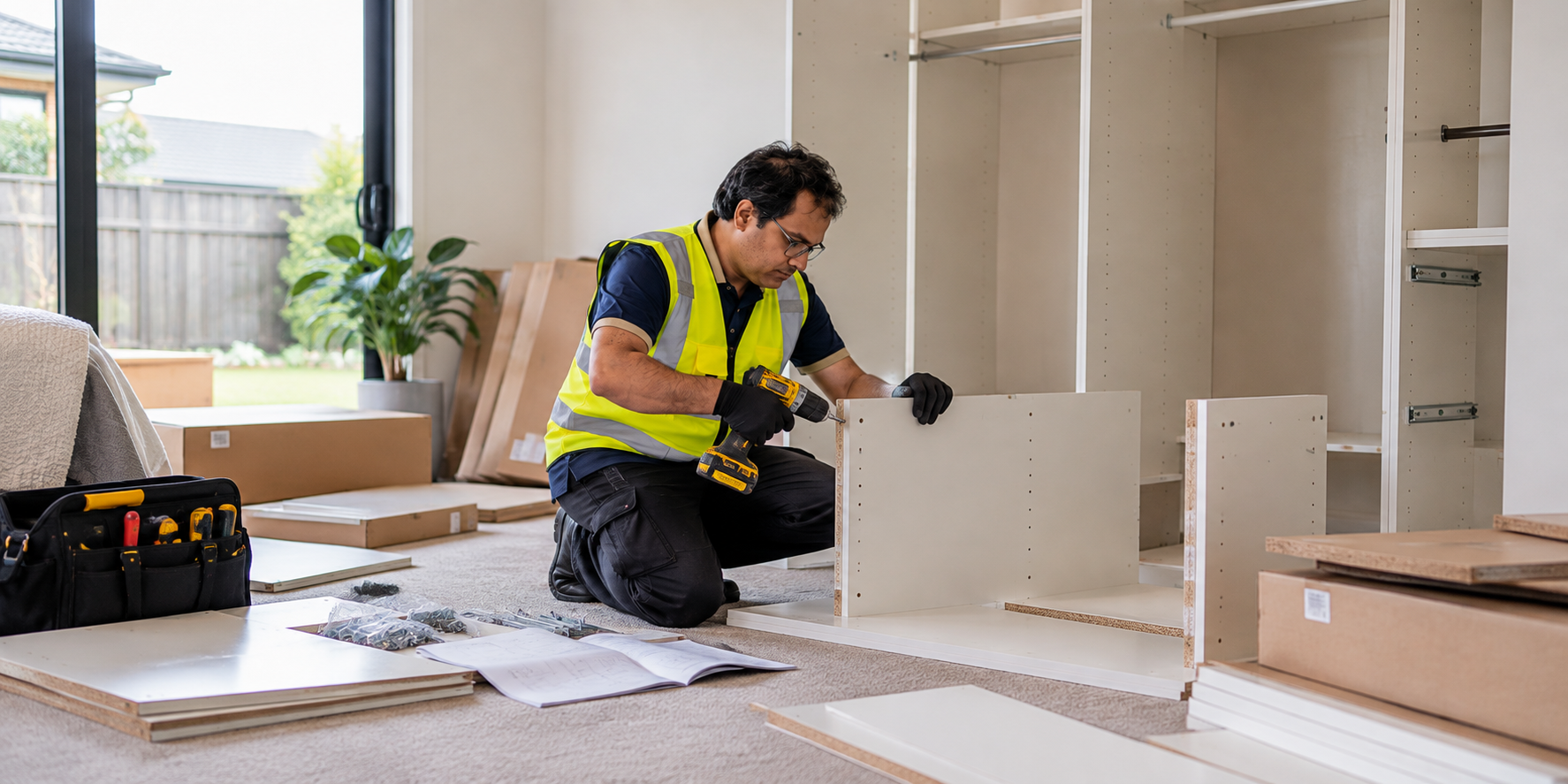
Kitset assembly looks easy on the box. A few panels, a bag of screws, one tiny Allen key. How hard can it be?
Then it’s 9pm, there’s a wardrobe door on backwards, and you’re staring at a spare screw that definitely shouldn’t be spare. Sound familiar? Don’t worry. Most of us have been there. This guide covers what you should know before you open that flat-pack box, so the job goes smoothly.
What Is Kitset Assembly?
It’s simply putting together furniture that arrives in pieces. Think wardrobes, bed frames, desks, bookshelves and TV units. Kiwis buy a lot of flat-pack because it’s affordable and easy to move. The catch is that someone has to build it.
You can do it yourself. Or you can book a pro through a kitset assembly service and skip the headache. Both options work. It just depends on your time, patience and the size of the job.
Before You Start: Get Ready First
A bit of prep saves a lot of swearing later. Honestly.
Check Every Part
Open the box and lay everything out. Compare it against the parts list. Missing a bracket? Better to find out now than halfway through.
Gather the Right Tools
The little tool in the box rarely cuts it. Grab these:
-
A decent screwdriver set
-
A rubber mallet
-
A drill or driver (if the instructions allow it)
-
A spirit level
-
A tape measure
Clear Some Space
Build on carpet or a blanket so you don’t scratch the panels. And give yourself room. Big wardrobes need more floor than you’d think.
Common Kitset Assembly Mistakes
Here’s where most people trip up:
-
Skipping the instructions. We all think we’re the exception. We’re not.
-
Over-tightening screws. Particleboard cracks easily. Snug is enough.
-
Building in the wrong spot. Moving a finished wardrobe through a narrow hallway is no fun.
-
Forgetting wall anchors. Tall furniture should always be secured. In a country with earthquakes, this matters even more.
DIY or Hire a Professional?
If it’s a small bedside table, go for it. Put on a podcast and enjoy yourself.
But for big, heavy or complicated pieces, it’s worth thinking twice. Multi-door wardrobes, bunk beds and full office setups can eat an entire weekend. A pro has done it hundreds of times, so they’ll do it faster and usually get it right the first time.
Why We Rate the WGCS Website
If you’re looking for help, WGCS is a great place to start. The website is clean, simple and easy to use. You can find what you need in seconds, and there’s no confusing jargon. It feels like talking to a friendly local, not a faceless company.
The team clearly cares about quality and customer service, and it shows. You can also browse their full range of home services all in one place, which is handy when you’ve got more than one job on your list.
Don’t Forget the Clean-Up
Once your new furniture is in, the house probably needs a tidy. Boxes, packaging, dust and footprints all add up.
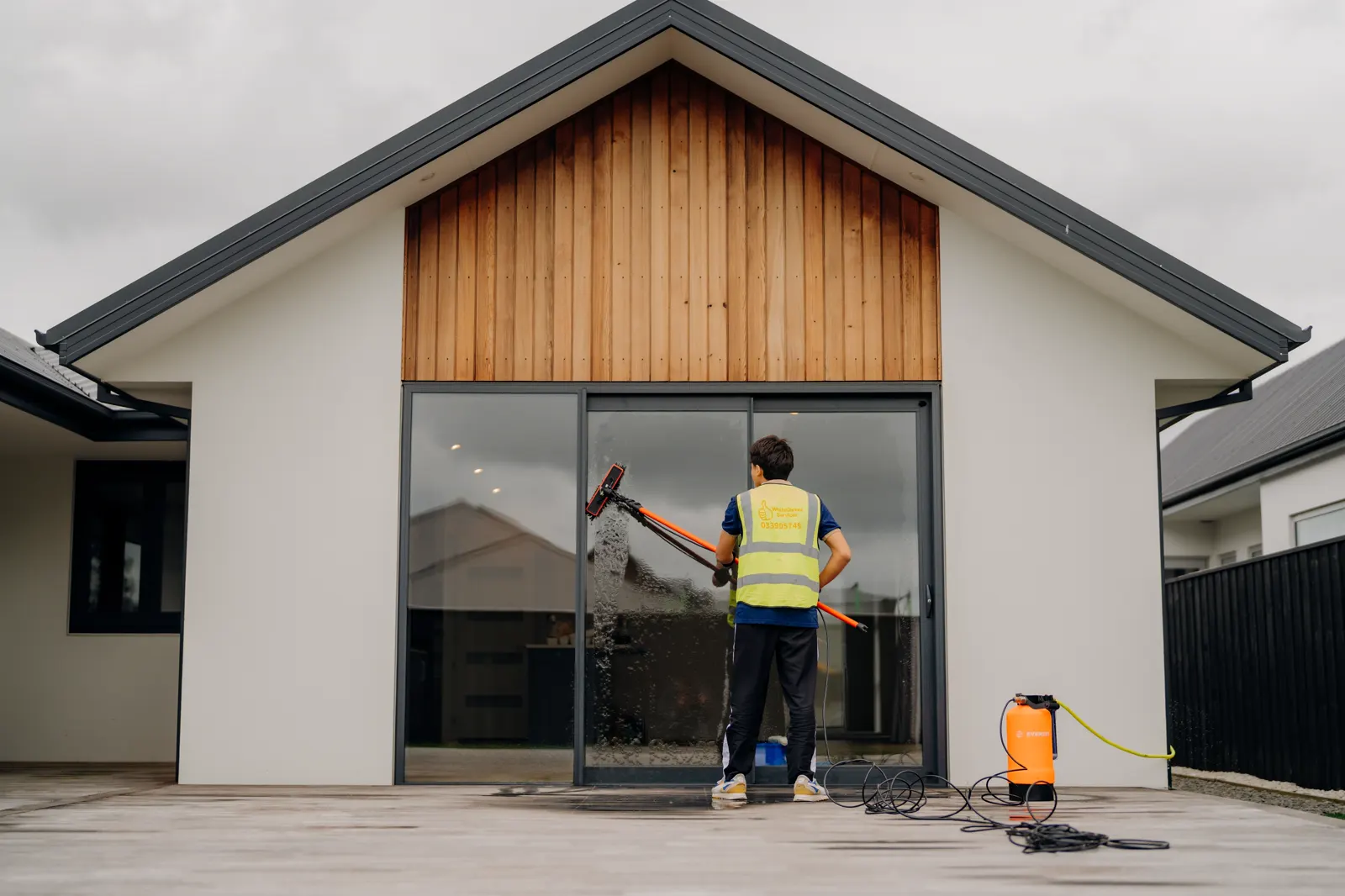
A professional carpet clean can freshen up the floors after all that dragging and building. If sunlight is now showing off every smudge, it might be time to find a reliable window cleaner. And if your deck or driveway looks tired, here’s a guide to water blasting on the North Shore that’s worth a look.
FAQs
1. What does kitset assembly mean?
Kitset assembly means putting together furniture or products that come in flat-pack pieces. It usually includes panels, screws, brackets and written instructions.
2. How long does kitset assembly take?
A small item like a side table might take 30 minutes. A large wardrobe or bunk bed can take several hours, especially if it’s your first time.
3. Do I need special tools for kitset assembly?
Most items come with basic tools, but a screwdriver set, rubber mallet and spirit level make the job much easier and give a better finish.
4. Is it worth paying someone for kitset assembly?
For big or complex pieces, yes. A professional saves you time, avoids mistakes and makes sure everything is safe and sturdy.
5. Do I need to secure tall furniture to the wall?
Yes. In New Zealand, securing tall furniture like wardrobes and bookshelves helps prevent tipping, especially during earthquakes or when kids are around.